


Understanding DME in Medical Billing and Its Importance for Providers
- Dec 2, 2025
- 3 min read
Durable Medical Equipment, or DME, plays a crucial role in patient care and medical billing. For healthcare providers, understanding how DME fits into the billing process is essential to ensure proper reimbursement and compliance. This article explains what DME is, how it impacts medical billing, and why providers must pay close attention to it.

What Is Durable Medical Equipment (DME)?
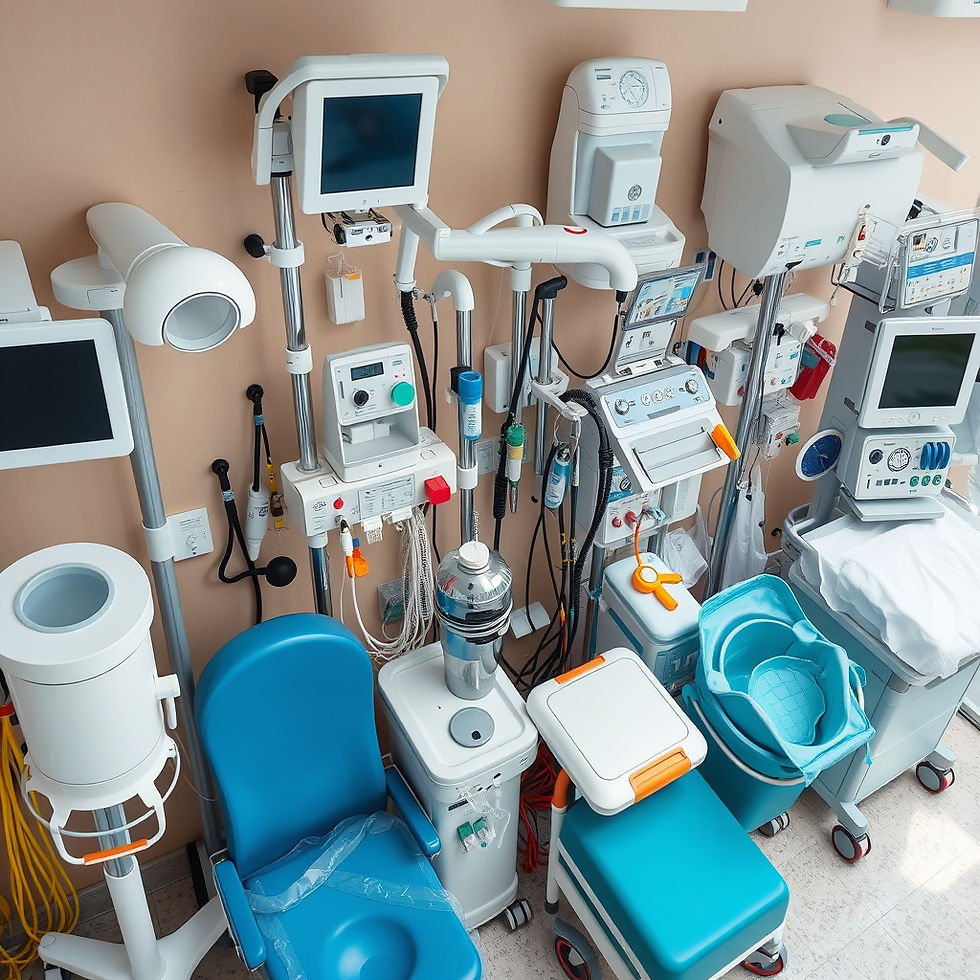
Durable Medical Equipment refers to medical devices and supplies that patients use repeatedly to manage health conditions or disabilities. These items are designed to withstand repeated use and are primarily used for medical purposes at home or in healthcare facilities.
Common examples of DME include:
Wheelchairs and walkers
Hospital beds
Oxygen equipment
Blood glucose monitors
Nebulizers
DME differs from disposable medical supplies because it is reusable and intended for long-term use. The equipment supports patients in maintaining mobility, managing chronic conditions, or recovering from surgery.
How DME Fits Into Medical Billing
Billing for DME involves specific codes, documentation, and compliance with insurance policies. Providers must understand these elements to avoid claim denials or delays.
Coding and Documentation
Each piece of DME has a Healthcare Common Procedure Coding System (HCPCS) code. Providers must use the correct code when submitting claims to insurers. Accurate documentation is also critical. This includes:
A physician's prescription or order for the equipment
Medical necessity documentation explaining why the patient needs the DME
Proof of delivery and patient instruction on equipment use
Without proper documentation, insurance companies may reject claims or request additional information.
Insurance Coverage and Reimbursement
Medicare, Medicaid, and private insurers have different rules for covering DME. Medicare, for example, requires that the equipment be medically necessary and prescribed by a doctor. It also has specific guidelines on rental versus purchase options.
Providers should verify coverage details before ordering DME to ensure patients are eligible and understand their financial responsibility. This reduces the risk of unpaid claims and improves patient satisfaction.
Challenges Providers Face With DME Billing
Billing for DME can be complex due to regulatory requirements and the variety of equipment involved. Some common challenges include:
Claim denials due to missing or incorrect documentation
Delays in reimbursement caused by insurance verification issues
Inventory management to track equipment and avoid billing errors
Patient education to ensure proper use and reduce equipment returns
Providers who invest time in training staff on DME billing procedures and maintain clear communication with suppliers and insurers can reduce these challenges.

Best Practices for Managing DME Billing
To improve efficiency and accuracy in DME billing, providers can adopt several best practices:
Verify insurance coverage before ordering equipment
Use correct HCPCS codes and update them regularly
Maintain thorough documentation including prescriptions and medical necessity notes
Train billing staff on DME-specific requirements
Communicate with suppliers to confirm delivery and patient instruction
Follow up on denied claims promptly with required information
Using electronic health records (EHR) integrated with billing software can also streamline the process and reduce errors.
Why Understanding DME Billing Matters for Providers
Proper management of DME billing affects a provider’s financial health and patient care quality. When billing is accurate and timely:
Providers receive reimbursement faster, improving cash flow
Patients avoid unexpected costs and confusion
Compliance with regulations reduces audit risks
Providers can focus more on patient care than administrative tasks
Failing to manage DME billing effectively can lead to lost revenue, increased administrative burden, and strained patient relationships.
Final Thoughts on DME in Medical Billing
Durable Medical Equipment is a vital part of healthcare that requires careful attention in billing. Providers who understand the nuances of DME billing, including coding, documentation, and insurance rules, can improve reimbursement and patient satisfaction. Investing in staff training and clear processes ensures smoother operations and better care outcomes.
Providers should review their DME billing practices regularly and stay updated on policy changes to maintain compliance and financial stability. Taking these steps supports both the business and the patients who rely on durable medical equipment for their health and independence.


Comments